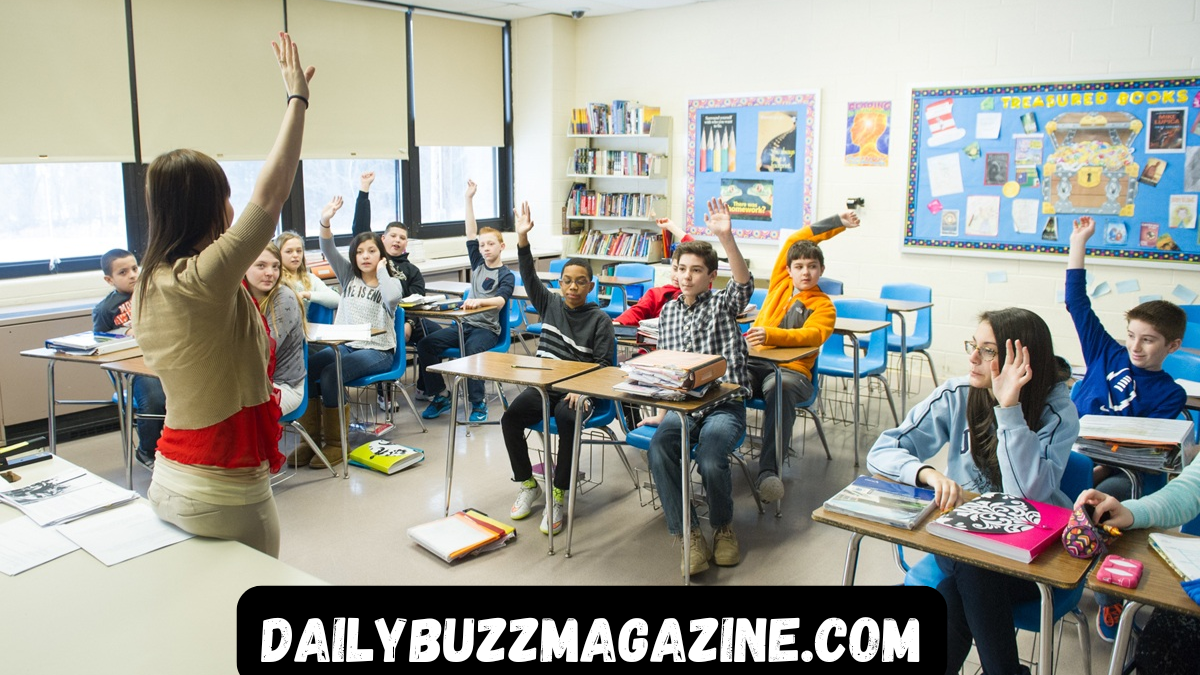
A well-managed classroom is the foundation of effective education. Teachers who create a positive and organized learning environment often experience better student engagement, improved academic performance, and fewer behavioral issues. Classroom management is not only about maintaining discipline; it is about building a productive atmosphere where students feel respected, motivated, and encouraged to learn.
Modern education demands more than traditional teaching methods. Students today require interactive learning experiences, emotional support, and clear communication. Effective classroom management strategies help teachers balance authority with empathy while maintaining a smooth learning process. This article explores practical classroom management techniques that can improve student behavior, increase participation, and create a successful learning environment.
Why Classroom Management Is Important
Classroom management directly affects the quality of education. Without proper management, even the best lesson plans can fail. A structured classroom helps students stay focused and reduces distractions that interrupt learning.
Teachers who apply strong classroom management techniques often notice:
Improved Student Engagement
Students participate more actively when they understand classroom expectations and feel safe expressing their ideas.
Better Academic Performance
A calm and organized classroom allows students to concentrate on learning tasks, leading to higher achievement levels.
Reduced Behavioral Problems
Clear rules and consistent discipline minimize disruptions and encourage positive behavior among students.
Stronger Teacher-Student Relationships
Respectful communication and fair treatment help build trust between teachers and students.
Creating a Positive Classroom Environment
A positive classroom environment encourages students to feel comfortable and motivated. Teachers play a major role in shaping the emotional atmosphere of the classroom.
Establish Clear Expectations
Students perform better when they know what is expected from them. Teachers should explain classroom rules at the beginning of the academic year and reinforce them regularly.
Examples of clear expectations include:
- Respect classmates and teachers
- Complete assignments on time
- Raise hands before speaking
- Maintain cleanliness in the classroom
Consistency is important. Teachers should apply rules fairly to all students without favoritism.
Build Mutual Respect
Respect creates a healthy learning environment. Teachers should listen to students carefully, value their opinions, and encourage open communication.
Simple actions such as greeting students warmly, appreciating their efforts, and responding politely can strengthen classroom relationships.
Encourage Student Participation
Interactive activities help students stay engaged. Group discussions, classroom debates, and creative projects allow students to express themselves confidently.
Participation also improves critical thinking and communication skills.
Effective Classroom Management Techniques
Different classroom situations require different management strategies. Teachers should adapt their methods according to student needs and learning styles.
Use Positive Reinforcement
Positive reinforcement motivates students to repeat good behavior. Praising students for their efforts can increase confidence and encourage discipline.
Examples include:
- Verbal appreciation
- Reward systems
- Certificates of achievement
- Extra classroom privileges
Recognizing student progress creates a supportive environment where students feel valued.
Maintain Consistent Routines
Daily routines help students understand classroom procedures and reduce confusion. Consistent schedules improve time management and classroom organization.
Morning Routine
Starting the day with attendance, announcements, and a quick review helps students prepare mentally for lessons.
Assignment Routine
Clear instructions for homework submission and classroom tasks prevent misunderstandings.
Ending Routine
Summarizing lessons before dismissal reinforces learning and keeps students organized.
Managing Classroom Behavior Effectively
Behavior management is one of the biggest challenges teachers face. Effective discipline strategies focus on correction rather than punishment.
Address Problems Early
Small disruptions can become larger issues if ignored. Teachers should respond calmly and immediately when inappropriate behavior occurs.
Stay Calm During Conflicts
Students often react emotionally during conflicts. Teachers who remain calm can resolve situations more effectively and prevent escalation.
Use Fair Consequences
Consequences should be reasonable and related to the behavior. Fair discipline teaches responsibility while maintaining student dignity.
Examples include:
- Temporary loss of privileges
- Reflection assignments
- Parent communication
- Classroom apologies
Classroom Communication Skills
Communication is essential for successful classroom management. Teachers should communicate instructions clearly and respectfully.
Give Clear Instructions
Students may become confused if instructions are vague. Teachers should explain tasks step by step and confirm student understanding.
Use Positive Language
Positive language encourages cooperation. Instead of saying, “Do not talk,” teachers can say, “Please listen carefully.”
This approach creates a more respectful classroom atmosphere.
Encourage Questions
Students should feel comfortable asking questions without fear of embarrassment. Open communication improves understanding and confidence.
The Role of Technology in Classroom Management
Technology has transformed modern classrooms. When used properly, digital tools can improve organization and student engagement.
Interactive Learning Platforms
Educational apps and online learning systems help teachers deliver engaging lessons and monitor student progress.
Digital Attendance and Scheduling
Technology simplifies administrative tasks such as attendance tracking and assignment management.
Limiting Digital Distractions
While technology offers benefits, excessive device usage can reduce concentration. Teachers should establish clear rules regarding smartphones and internet access during lessons.
Classroom Management for Different Age Groups
Students of different ages require different management approaches. Teachers should adapt strategies according to developmental needs.
Elementary Classroom Management
Young children respond well to visual aids, structured routines, and positive reinforcement. Teachers should create engaging activities that maintain attention.
Middle School Classroom Management
Middle school students often seek independence. Teachers should encourage responsibility while maintaining firm boundaries.
High School Classroom Management
Older students value respect and autonomy. Teachers should focus on communication, collaboration, and academic accountability.
Building Student Motivation
Motivated students are more likely to succeed academically and behave positively in class.
Set Achievable Goals
Students feel encouraged when goals are realistic and measurable. Teachers should celebrate progress, not just perfect results.
Connect Lessons to Real Life
Students become more interested when lessons relate to everyday experiences and future careers.
Encourage Creativity
Creative assignments increase enthusiasm and improve problem-solving skills.
Common Classroom Management Mistakes
Even experienced teachers can make classroom management mistakes. Recognizing these issues can improve teaching effectiveness.
Inconsistent Discipline
Changing rules frequently confuses students and weakens authority.
Overreacting to Minor Issues
Excessive reactions may increase tension and disrupt learning.
Ignoring Student Needs
Students who feel unheard may lose motivation and become disruptive.
Lack of Preparation
Unprepared lessons often lead to boredom and classroom distractions.
Tips for New Teachers
New teachers may initially struggle with classroom management, but practical strategies can build confidence.
Start with Clear Rules
Students should understand expectations from the first day of class.
Be Confident
Confident teachers establish authority more effectively.
Continue Learning
Professional development workshops and mentoring programs help teachers improve classroom management skills.
Build Relationships
Strong teacher-student relationships create trust and cooperation.
Conclusion
Classroom management is one of the most important aspects of successful teaching. A positive and organized classroom environment improves learning, strengthens student relationships, and reduces behavioral challenges. Effective teachers combine Classroom discipline, communication, empathy, and consistency to create classrooms where students can thrive academically and emotionally.