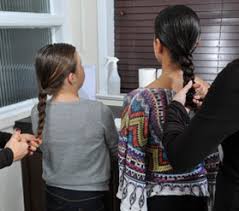
Head lice is something most parents hope they never have to deal with. But the truth is, it is very common, especially in school-aged children. When head lice shows up, families often feel stressed, rushed, and unsure of what to do next.
Some parents reach for strong chemical treatments right away. Others look for gentler options first. One natural choice that gets a lot of attention is tea tree oil.
Tea tree oil, often linked with the plant Melaleuca alternifolia from Australia, is used in many natural hair care products. It is known for its strong scent and cleansing properties. Because of this, many parents use it as part of a natural lice treatment routine for kids.
But why is it so popular? And does it really help?
To understand that, we need to look at how it is used, why parents trust it, and where it fits into real lice removal care.
What Is Tea Tree Oil and Why Is It Used for Lice?
How Does Tea Tree Oil Work on the Scalp?
Tea tree oil comes from the leaves of the Melaleuca alternifolia tree, native to Australia. It has been used in natural skin and hair care for many years.
It is known for:
- Strong natural scent
- Cleansing properties
- Use in shampoos and scalp products
Some studies suggest that essential oils like tea tree oil may help create an environment that is less friendly for head lice. However, it is not a guaranteed cure.
Still, many parents include it in their natural lice treatment routine.
Why Do Parents Prefer Natural Options Like Tea Tree Oil?
Many parents today try to avoid harsh chemicals when possible. This is especially true for children.
Some common reasons include:
- Concerns about scalp sensitivity
- Fear of strong pesticide-based products
- Preference for natural care routines
- Desire for gentle, home-based solutions
Organizations like the American Academy of Pediatrics often recommend caution when using strong treatments on young children.
Because of this, natural options like tea tree oil feel safer to many families.
Does Tea Tree Oil Really Help With Head Lice?
What Does Research Say About Tea Tree Oil and Lice?
Some research suggests that tea tree oil, along with other essential oils, may help reduce lice activity. It may affect lice in a way that makes it harder for them to survive or move.
However, experts from Centers for Disease Control and Prevention (CDC) explain that no natural oil alone is a fully proven cure for head lice infestations.
That means:
- It may help support treatment
- It may help with prevention
- It is not a guaranteed standalone solution
This is an important point many parents learn after trying different methods.
Can Tea Tree Oil Kill Lice Eggs (Nits)?
One of the biggest challenges in lice removal is dealing with nits, the tiny eggs attached to hair strands.
Even if some lice are affected by tea tree oil, nits often remain firmly attached to the hair shaft.
This is why professionals from optometry and dermatology-based scalp care practices often recommend combining treatments with:
- Fine-tooth lice combing
- Manual nit removal
- Follow-up checks
Tea tree oil alone usually cannot remove all eggs.
How Parents Use Tea Tree Oil for Kids With Lice
Is Tea Tree Oil Used Alone or Mixed With Products?
Most parents do not apply tea tree oil directly to the scalp in its pure form.
Instead, it is commonly:
- Added to shampoo
- Mixed with carrier oils like coconut oil
- Included in natural lice treatment kits
- Used in diluted spray solutions
This is important because undiluted essential oils can irritate sensitive skin.
How Is Tea Tree Oil Applied in Daily Hair Care?
A typical natural routine may include:
- Washing hair with mild shampoo
- Adding diluted tea tree oil mix
- Leaving it on briefly before rinsing
- Using a lice comb to remove debris
Some families also use products inspired by aromatherapy practices or natural scalp care trends.
Is Tea Tree Oil Safe for Children?
Safety is a big concern for parents.
Experts from organizations like National Association for Holistic Aromatherapy (NAHA) recommend proper dilution when using essential oils on children.
Important safety tips include:
- Never use undiluted oil on skin
- Always mix with a carrier oil
- Avoid contact with eyes
- Do a patch test first
Children with sensitive skin may still react, so caution is always needed.
Why Tea Tree Oil Is Popular in Natural Lice Prevention
Can Tea Tree Oil Help Prevent Lice Spread?
Many parents use tea tree oil not just for treatment but also for prevention.
The idea is simple:
If lice dislike the scent or scalp environment, they may be less likely to attach.
Some families add a few drops to:
- Shampoo bottles
- Hair sprays
- Leave-in conditioners
This is often part of a broader lice prevention routine.
However, prevention is not guaranteed.
How Is It Combined With Other Prevention Methods?
Tea tree oil is rarely used alone in prevention plans. It is often combined with:
- Regular hair brushing
- Daily scalp checks
- Avoiding head-to-head contact
- Not sharing combs or hats
Schools sometimes also follow guidance from CDC school health policies to reduce outbreaks.
Limitations of Tea Tree Oil for Lice Treatment
Why Isn’t Tea Tree Oil Enough on Its Own?
Even though it is popular, tea tree oil lice treatment has limits.
It may:
- Reduce some lice activity
- Help with mild cases
- Support other treatments
But it cannot reliably:
- Remove all live lice
- Kill every nit
- Prevent reinfestation alone
Severe cases often need stronger or professional lice removal services.
What Happens in Severe Infestations?
When infestations become serious, parents may notice:
- Heavy itching
- Visible lice movement
- Thick nit buildup
- Spread to family members
At this stage, professionals trained in pediculosis treatment often recommend:
- Manual nit removal
- Medical-grade treatments
- Full household checks
Tea tree oil may still be used as support, but not as the main solution.
Tea Tree Oil vs Medical Lice Treatments
How Do Natural and Medical Options Compare?
There are two main approaches:
Natural approach:
- Tea tree oil
- Coconut oil
- Herbal shampoos
Medical approach:
- Permethrin-based treatments
- Prescription lotions
- Professional lice clinics
Medical treatments are often faster for severe cases, while natural methods are gentler but slower.
When Should Parents Move Beyond Natural Treatment?
Parents should consider stronger help if:
- Lice keep coming back
- Multiple treatments fail
- Whole family is affected
- Symptoms last more than 2–3 weeks
At that point, professional care is often more effective than natural remedies alone.
Why Parents Still Choose Tea Tree Oil Despite Limits
Is It About Safety, Comfort, or Trust?
Even with its limitations, tea tree oil remains popular because it feels:
- Gentle
- Natural
- Easy to use
- Widely available
Many parents like starting with a low-risk option before moving to stronger treatments.
It also fits into a growing trend of natural wellness routines, influenced by holistic care and plant-based products.
Does It Help Parents Feel More in Control?
Yes, in many cases.
Lice can feel overwhelming. Using something familiar like tea tree oil gives parents a sense of action while they plan next steps.
Even if it is not a complete cure, it is often part of a larger plan.
Conclusion
Parents use tea tree oil as a natural lice treatment option for kids for many reasons. It feels safer, more natural, and easier to use compared to chemical-based products. Derived from the Melaleuca alternifolia plant, it has become a common part of home-based head lice management routines.
However, while it may help support prevention and mild cases, it is not a guaranteed solution for removing all head lice or nits. Medical guidance from organizations like the CDC shows that effective lice control usually requires a combination of methods, especially in severe infestations.
In real life, many families use tea tree oil as one step in a bigger routine that includes combing, cleaning, and sometimes professional lice removal services.
At the end of the day, it is less about choosing one perfect solution and more about using a smart, balanced approach that keeps children safe, comfortable, and lice-free.