People today want honesty. They want real stories, not just ads. This is why documentary video production is becoming popular for brands and organizations.
A documentary video shows real people, real events, and real experiences. It does not feel fake or forced. Instead, it builds a strong connection with viewers.
Platforms like YouTube and Netflix have made documentary content easy to watch and share. This has changed how people see brands.
But can documentary video production really build trust and engagement? Let’s explore this in a simple way.
What Is Documentary Video Production?
What Does Documentary Production Mean in Simple Terms?
Documentary video production is the process of creating videos based on real-life stories. It focuses on facts, experiences, and true events.
Unlike ads, it does not try to sell directly. It aims to inform and connect.
Types of Documentary Videos Explained
There are many types of documentary videos. Some focus on social issues. Others tell business stories or personal journeys.
Brands often use short documentaries to share their values and mission.
Who Uses Documentary Video Content
Many groups use this style. Businesses, nonprofits, and educators all use documentaries.
They use them to explain ideas, share stories, and connect with people.
Why Documentary Video Production Is Important
Telling Real Stories That Matter
People trust real stories. When a brand shares true experiences, it feels honest.
This honesty helps build a strong connection.
Educating and Informing Audiences
Documentary videos explain topics in a simple way. They break down complex ideas into clear messages.
This helps viewers learn and understand.
Building Emotional Connection with Viewers
Stories create emotion. When viewers feel something, they remember it.
This emotional link builds deeper engagement.
Common Uses of Documentary Video Production
Social Awareness and Advocacy Campaigns
Many organizations use documentaries to raise awareness. They talk about issues and share real experiences.
This helps people understand important topics.
Corporate and Brand Storytelling
Brands use documentaries to show their journey. They share how they started and what they stand for.
This builds trust with customers.
Educational and Training Content
Documentaries are also used for training. They show real-life examples that are easy to follow.
This makes learning more effective.
How Documentary Video Production Works
Research and Story Development
Every documentary starts with research. The story must be real and clear.
Planning helps shape the message.
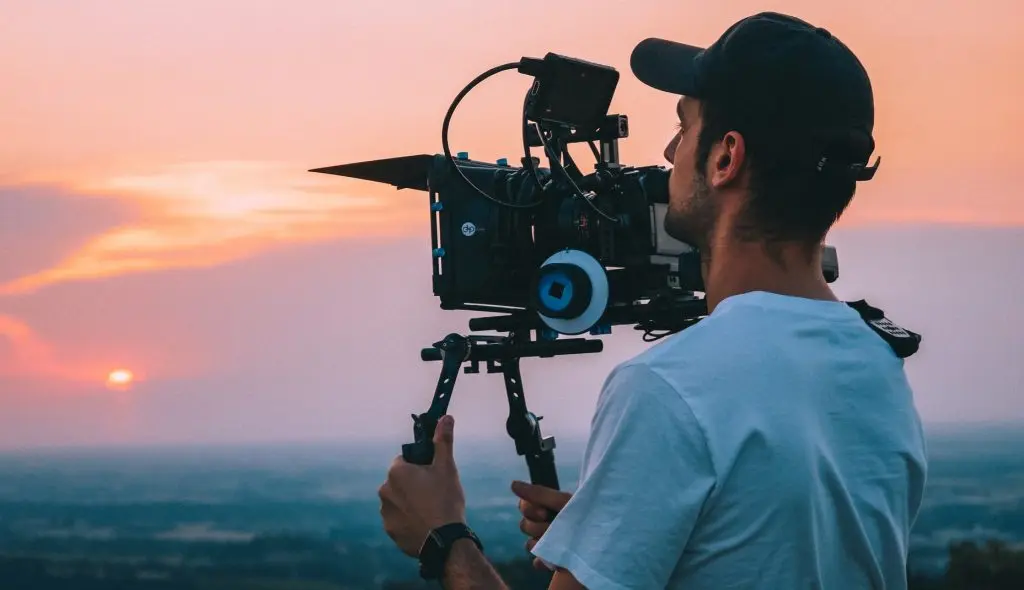
Filming Real-Life Events and Interviews
Filming captures real moments. Interviews add personal views and experiences.
These elements make the story authentic.
Editing and Final Storytelling
Editing brings everything together. It shapes the final story.
Music, visuals, and voice help deliver the message clearly.
Benefits of Documentary Video Production
Authentic and Trustworthy Content
Documentaries feel real. They are based on facts and experiences.
This builds trust with viewers.
Strong Audience Engagement
People enjoy watching real stories. They are more likely to stay engaged.
This increases watch time and interest.
Long-Term Value for Education and Marketing
Documentary videos stay useful over time. They can be shared again and again.
This makes them a strong long-term asset.
Challenges in Documentary Video Production
Capturing Real Moments Naturally
Real moments are not always easy to film. Timing and patience are important.
It takes effort to capture true experiences.
Managing Time and Budget
Documentaries can take time to produce. Planning and filming require resources.
Good management helps control costs.
Maintaining Accuracy and Ethics
Accuracy is key. Information must be correct and fair.
Ethical storytelling builds trust and respect.
Best Practices for Effective Documentary Videos
Keeping Stories Clear and Focused
A simple story works best. Avoid adding too much detail.
Clear messages are easier to understand.
Using Visuals to Support the Narrative
Visuals help explain the story. They show what words cannot.
Strong visuals improve the viewing experience.
Respecting Subjects and Real Experiences
Respect is important. People sharing their stories should feel valued.
This creates honest and meaningful content.
How to Choose the Right Documentary Approach
What to Look for in a Production Team
A good team understands storytelling. They know how to capture real moments.
They also focus on clarity and honesty.
Questions You Should Ask Before Starting
Ask about the process, timeline, and goals. Make sure the message is clear.
Good planning leads to better results.
Signs of High-Quality Documentary Content
High-quality videos feel natural and real. They are easy to follow.
They also keep viewers engaged from start to finish.
Common Mistakes to Avoid
Overcomplicating the Story
Too much detail can confuse viewers. Keep the story simple and clear.
Focus on the main message.
Ignoring Research and Facts
Lack of research can lead to mistakes. Always check information carefully.
Accuracy builds trust.
Focusing Too Much on Style Over Substance
Visual style is important, but content matters more. A strong story is the key.
Balance both elements for best results.
Conclusion: Building Trust Through Real and Honest Storytelling
So, can documentary video production build trust and engagement for brands and organizations? Yes, it can.
By sharing real stories, brands create honest connections. Platforms like YouTube and Netflix show how powerful this format can be.
Documentary videos educate, engage, and inspire. They offer more than just promotion—they offer meaning.
When done right, they help brands stand out. They build trust that lasts and engagement that grows over time.