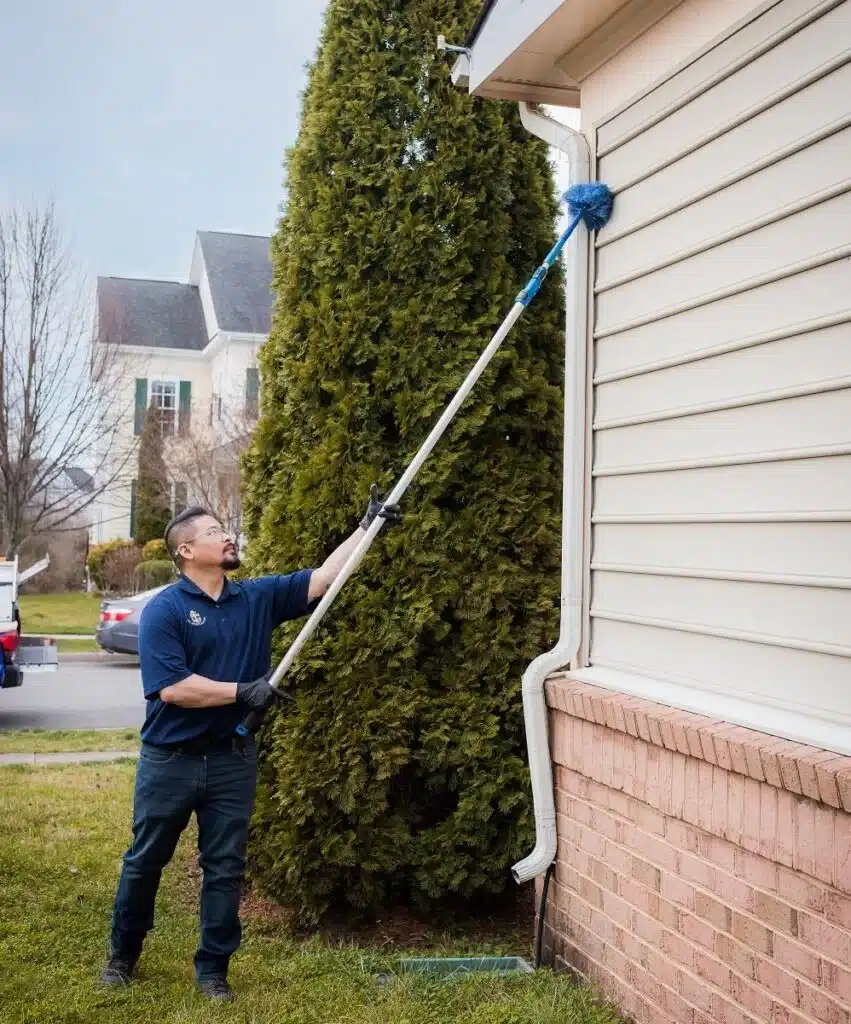
Buying or caring for a home comes with many tasks. One of the most important is checking for pests like Termites. These tiny insects can cause big damage if left untreated. That’s why many homeowners schedule a Termite Inspection.
After the inspection, you receive a report. This report explains what was found and what steps to take next. But for many people, reading it can feel confusing at first.
So, what should you expect from a professional termite inspection report? In this guide, we’ll break it down in simple terms. You’ll learn what’s included, how to read it, and what actions you may need to take.
What Is a Termite Inspection?
Why It Is Important for Your Home
A termite inspection is a careful check of your home for signs of termite activity or damage. It helps catch problems early before they become costly.
Termites can weaken wooden structures, including walls, floors, and furniture. Over time, this can affect the safety of your home.
How Termites Can Damage Property
Termites feed on wood and other materials that contain cellulose. They often work quietly, which means damage can go unnoticed for months or even years.
This hidden damage can lead to:
- Weak wooden beams
- Hollow walls
- Cracked or sagging floors
That’s why regular inspections are so important.
Common Signs You May Need a Termite Inspection
Visible Damage to Wood and Furniture
One of the first signs is damaged wood. It may look cracked, soft, or hollow.
Sometimes, the surface looks fine, but the inside is already eaten away.
Mud Tubes, Droppings, and Other Warning Signs
Other signs include:
- Mud tubes along walls or foundations
- Small piles of droppings (called frass)
- Discarded wings near windows or doors
If you notice any of these, it’s time to schedule an inspection.
When Should You Schedule a Termite Inspection?
Best Time of Year for Inspection
Termite inspections can be done at any time of year. However, warmer months are when termites are most active.
Scheduling an inspection once a year is a good habit for homeowners.
Situations That Require Immediate Inspection
You should get an inspection right away if:
- You see signs of termites
- You’re buying or selling a home
- Your home has had termite problems before
Quick action can prevent further damage.
Types of Termite Inspections Explained
Professional Inspection vs DIY Checks
While you can look for signs on your own, a professional inspection is more detailed.
Experts know where to look and can spot hidden damage that most people miss.
Pre-Purchase and Routine Inspections
There are different types of inspections:
- Pre-purchase inspections for home buyers
- Routine inspections for regular maintenance
Both help protect your investment.
What Happens During a Termite Inspection
Step-by-Step Process Explained
During a termite inspection, the inspector:
- Checks the inside and outside of the home
- Looks at wooden structures and foundations
- Searches for signs of termite activity
- Notes any damage or risk areas
The process is careful and thorough.
Tools and Techniques Used by Inspectors
Inspectors may use tools like:
- Flashlights
- Moisture meters
- Probing tools
These help detect hidden termite activity.
Cost and Time of a Termite Inspection
Average Price Range
The cost of an inspection can vary. It depends on the size of the home and location.
In many cases, inspections are affordable, especially compared to repair costs.
How Long the Inspection Takes
Most inspections take one to two hours. Larger homes may take longer.
The goal is to check every important area carefully.
What Happens After the Inspection
Understanding the Inspection Report
After the inspection, you’ll receive a detailed report. This is the most important part of the process.
A termite inspection report usually includes:
- Areas inspected
- Signs of termite activity
- Type of termites found (if any)
- Level of damage
- Risk factors like moisture or wood contact
The report may also include photos to show problem areas.
Next Steps if Termites Are Found
If termites are found, the report will suggest treatment options.
These may include:
- Chemical treatments
- Bait systems
- Repairs to damaged areas
Taking action quickly helps prevent further damage.
How to Prevent Termites After Inspection
Simple Home Maintenance Tips
After the inspection, you can take steps to protect your home:
- Fix leaks and reduce moisture
- Keep wood away from the foundation
- Seal cracks in walls and floors
These simple actions can lower the risk of infestation.
Long-Term Protection Strategies
Long-term prevention may include:
- Regular inspections
- Professional treatments
- Monitoring systems
Staying proactive helps keep your home safe.
Conclusion
A termite inspection report is more than just a document. It’s a guide that helps you understand the condition of your home and what steps to take next.
By learning how to read the report, you can make better decisions. You’ll know if your home is safe or if it needs treatment.
Regular inspections, early detection, and proper care can save you from costly repairs. If you ever feel unsure, don’t hesitate to ask questions and get expert advice.
Protecting your home starts with understanding what’s happening behind the walls—and a good inspection report is the first step.